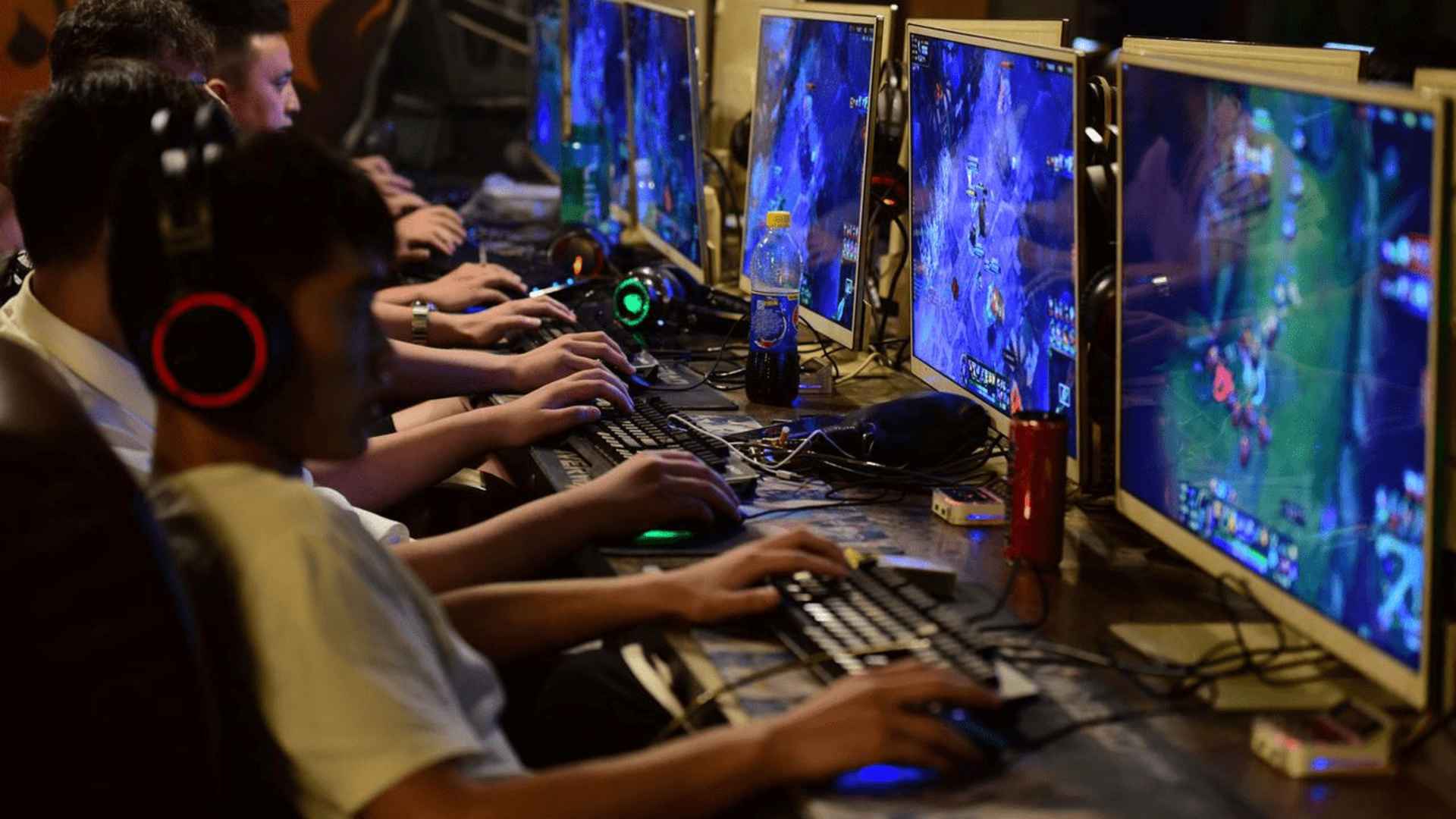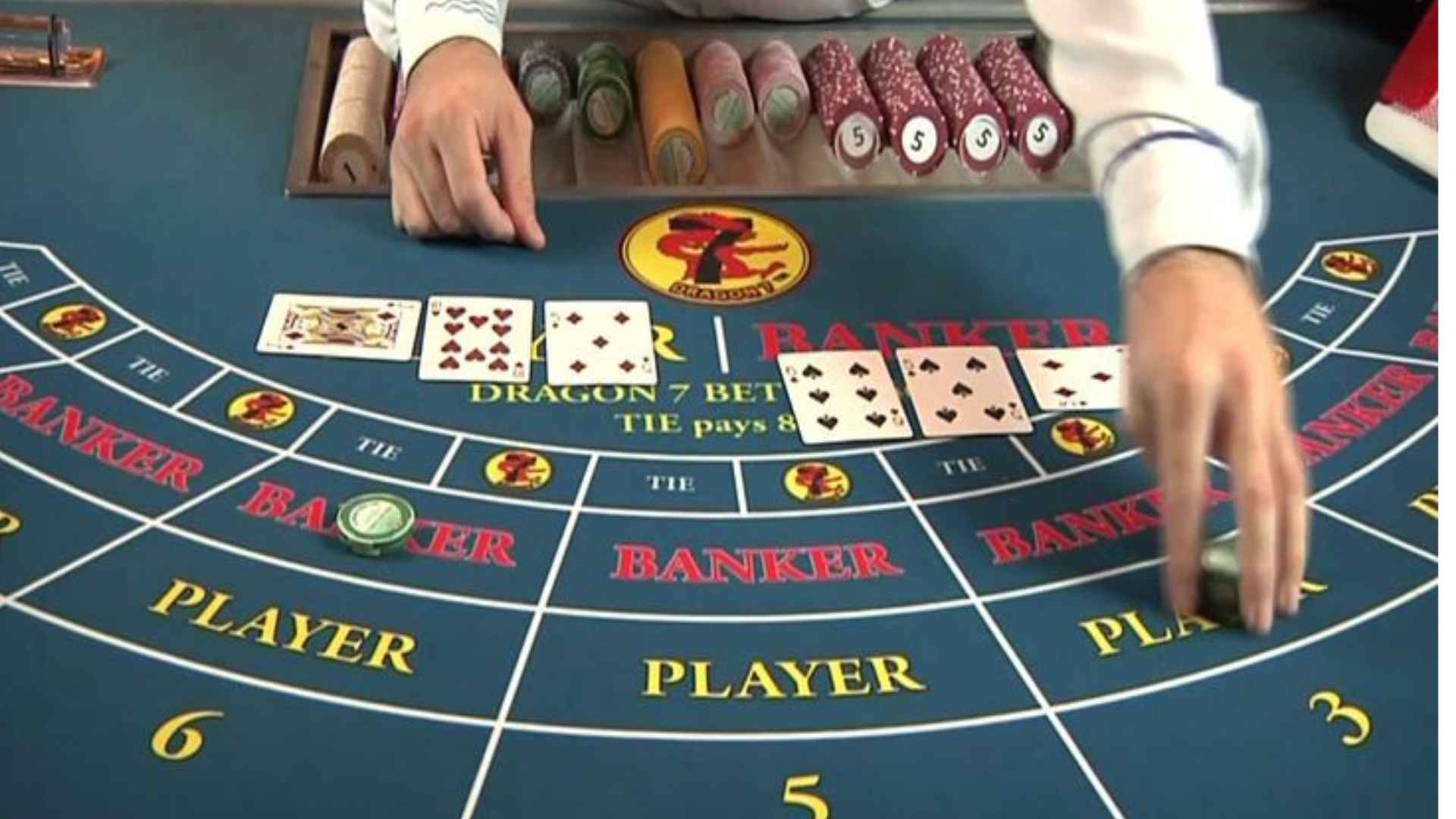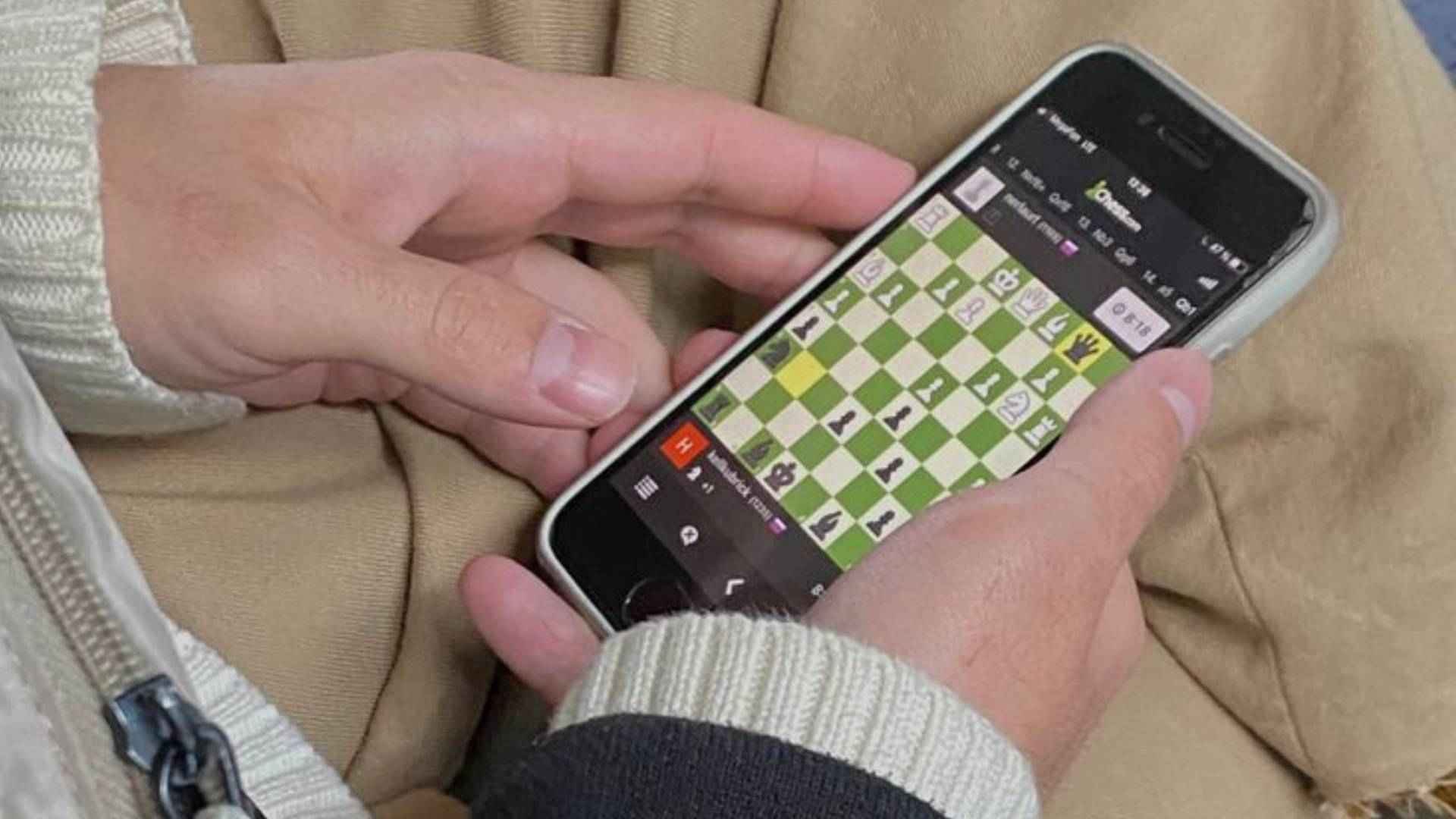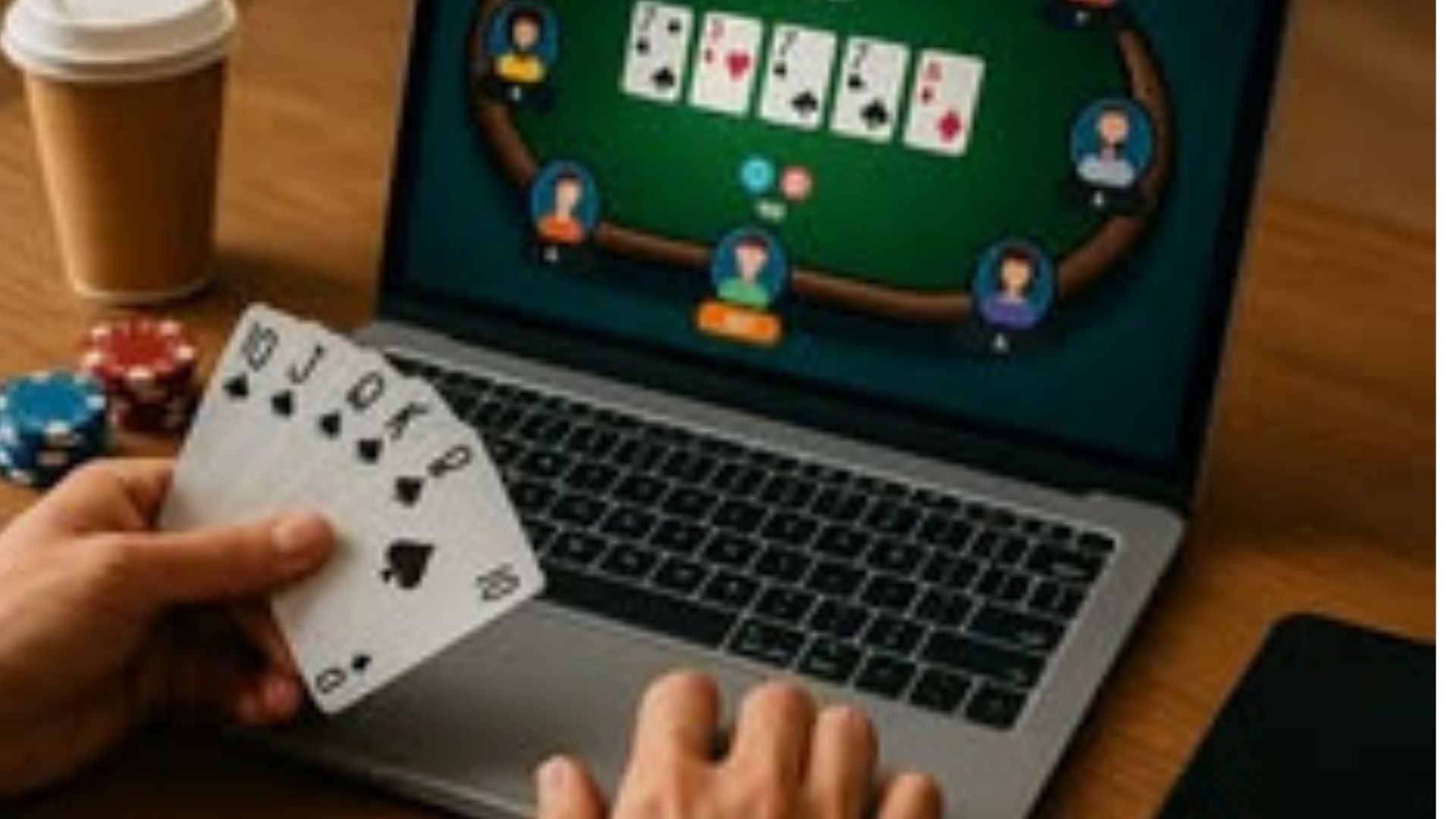
In a world increasingly dominated by solo digital experiences, table games remain a steadfast anchor for real-world social interaction and genuine rivalry. These physical and digital battlegrounds offer players a unique arena to test their strategic thinking, emotional control, and decision-making speed. By bringing people together around a shared layout, they foster a vibrant competitive energy that modern video games struggle to replicate.
The Psychology of Face to Face Rivalry
Sitting across from a real opponent adds a layer of psychological depth that digital algorithms simply cannot simulate. Players must read subtle physical cues, manage their own expressions, and adapt their strategies based on real-time human behavior. This direct interaction heightens the suspense of every turn, making victory feel far sweeter and defeat much more instructive.
Furthermore, the shared physical space naturally encourages friendly banter and spontaneous celebrations, which keeps the competitive spirit healthy and engaging. Over time, these memorable sessions help build strong social bonds and mutual respect among players, regardless of the game's outcome. This unique blend of competition and connection is why tabletop matchups continue to thrive across generations.
Strategic Depth and Intellectual Challenge
Unlike games that rely entirely on random chance, classic tabletop contests demand a high level of tactical foresight and logical planning. Every move you make creates a direct countermove, forcing you to anticipate your opponent's future decisions several steps in advance. This constant mental tug-of-war keeps your cognitive skills sharp and ensures that no two sessions ever play out the same way.
For those looking to transition these competitive strategic skills into high-stakes environments, finding a dedicated platform is essential. Experienced players frequently use the M88 Msports Login to access structured digital arenas and test their analytical skills against global competitors. Utilizing such resources allows players to refine their decision-making processes under realistic, fast-paced conditions.
Unpredictability and the Thrill of the Comeback
One of the most exciting aspects of competitive table gaming is that a single clever decision or unexpected turn of events can completely shift the momentum. Even when a player seems to be trailing behind, a well-executed plan or a calculated risk can pave the way for a dramatic comeback. This constant possibility of turning the tide keeps everyone fully invested from the opening setup to the very final move.
This inherent suspense ensures that players remain focused and emotionally engaged, reducing the likelihood of passive or repetitive play. It also teaches valuable lessons in resilience and adaptability, as players must quickly reformulate their strategies when things do not go according to plan. Ultimately, the unpredictable nature of these matchups is what makes them endlessly replayable and universally loved.
Fostering a Lifelong Passion for Fair Play
At their core, structured table games are governed by clear rules that ensure an equal playing field for every participant. This shared adherence to a standardized framework promotes healthy sportsmanship, integrity, and mutual respect among competitors. Learning to navigate both wins and losses within these boundaries helps players develop emotional maturity and a balanced perspective on competition.
As these communities continue to expand globally, the emphasis on fair play and shared strategy remains stronger than ever. Whether playing casually in a living room or participating in structured tournaments online, the pursuit of mastery remains a deeply rewarding journey. Engaging with these timeless activities ensures that the flame of authentic competition will keep burning brightly for years to come.