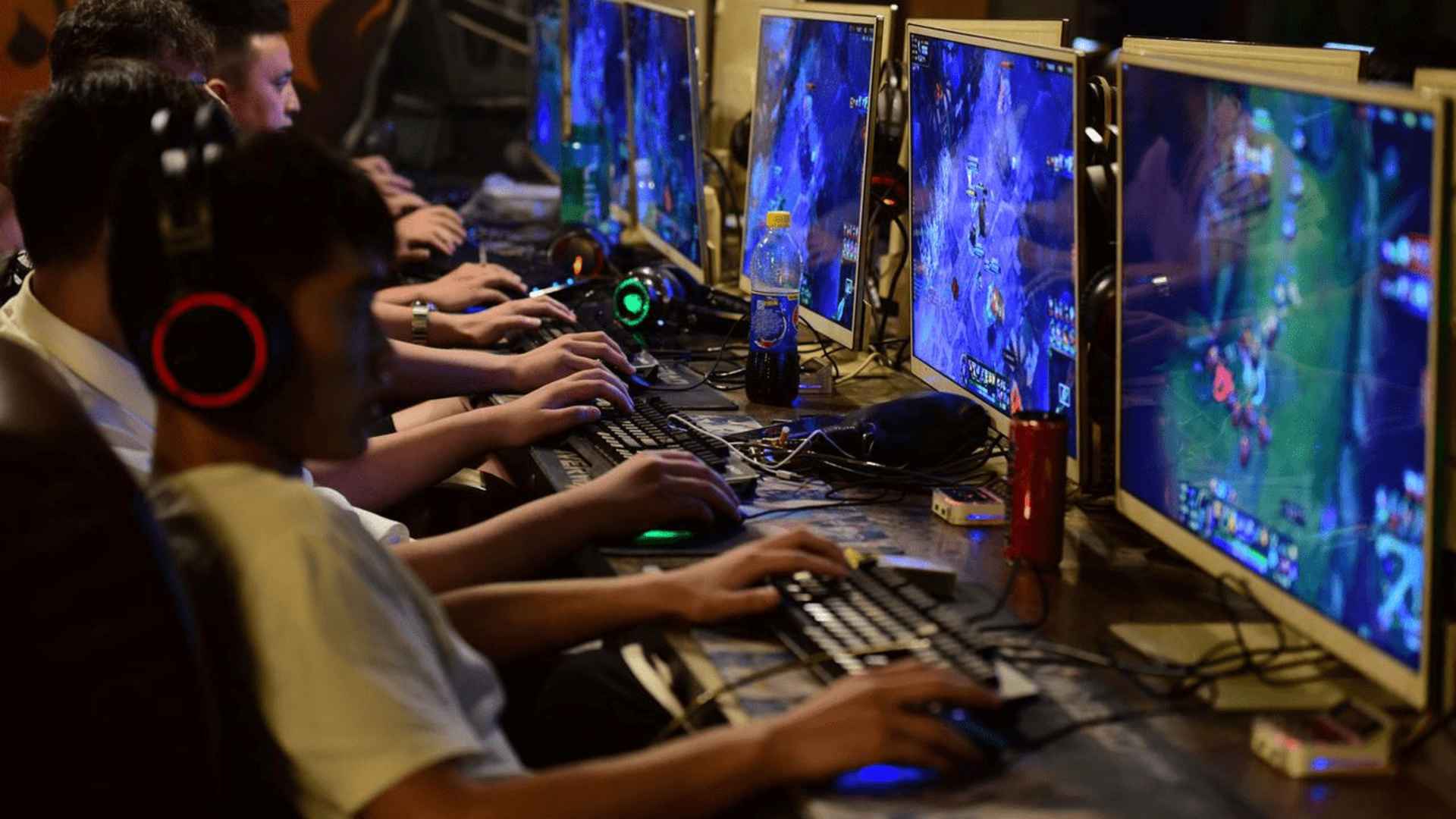
The modern digital landscape offers a fascinating arena where players from all over the world can collaborate and compete in real time. Beyond entertainment, these virtual environments have become powerful spaces for developing real-world management and communication skills. Taking charge of a digital squad provides a unique opportunity to test various management styles in a highly dynamic setting.
The Evolution of In-Game Command Roles
In the early days of online gaming, coordination was often limited to basic text commands or simple tactical planning. Today, complex multiplayer titles require sophisticated structural coordination, where strategic decisions must be executed in split-second intervals. These demanding situations naturally foster natural leadership abilities among players who guide their teams to success.
Effective communication serves as the absolute foundation for anyone steping into a coordinating role within a virtual squad. Leaders must quickly analyze changing conditions, delegate specific tasks, and keep team morale high under intense pressure. This evolution has turned casual pastimes into highly respected practical training grounds for modern interpersonal communication.
Building Collaborative Communities and Guilds
Long-term success in persistent virtual worlds heavily relies on the structure of player organizations, commonly known as guilds or clans. Managing these large groups requires a significant level of dedication, administrative organization, and conflict resolution skills. A successful guild leader ensures that every member feels valued while keeping the community focused on shared long-term objectives.
To explore modern systems designed to support dynamic gaming communities, players often seek secure platforms to connect. For instance, accessing a reliable portal like the M88 Msports Login allows enthusiasts to engage with specialized hubs that enhance digital interaction across various gaming styles. Nurturing these cooperative environments ultimately helps build long-lasting friendships and strong operational structures.
Translating Virtual Success into Real World Skills
The strategic planning and emotional intelligence required to guide an online team closely mirror corporate management strategies. Many professionals have noted that managing diverse teams across different time zones in a game translates perfectly to remote workplace coordination. It teaches individuals how to motivate peers without relying strictly on formal hierarchical authority.
Furthermore, the high-stakes environment of competitive online tournaments provides excellent training for high-pressure decision-making. Learning from failures in a simulated space builds psychological resilience and adaptability, which are essential traits in any professional career. As a result, modern organizations are increasingly recognizing the practical value of interactive cooperative experiences.